
We measure the success of a family safari differently from most. Not by the number of parks covered, the kilometers driven, or the checklist of species photographed. We measure it by a single, harder-to-quantify metric: the quality of attention your family gave the world around them.
How many times did someone say look, and everyone did. How many meals ended without anyone reaching for their phone. How many mornings began in silence because the landscape outside the tent made conversation feel beside the point.
That is what Tanzania does to a family, when the safari is designed with enough intelligence and patience to let it happen. It does not perform for you. What it offers, to families willing to surrender the itinerary mentality entirely, is something far more valuable than a highlight reel: a shared language. A set of references that belong only to the people who were in that vehicle, at that hour, watching that particular thing unfolds.
The Morning a Teenager Put Their Phone Away
It happens, reliably, in the first forty-eight hours. The teenager who boarded the flight performing indifference, who sat in the vehicle on the first morning with the posture of someone enduring a parent’s agenda, who had their phone out as the vehicle left camp. And then a lioness moved.
Not dramatically. She simply parted the long grass of the Namiri Plains with her shoulders and walked across the track twenty meters ahead — unhurried, entirely unbothered, her eyes fixed on something in the middle distance that only she could interpret.
The phone went onto the seat. It did not come back out for the rest of the morning. Not because anyone asked. Because the Serengeti had made it irrelevant. What we have learned, across hundreds of family safaris, is that the wilderness does not compete with a teenager’s world. It simply makes that world feel very small, and very far away, and does so without argument.
The Knowledge That Passes Between Generations
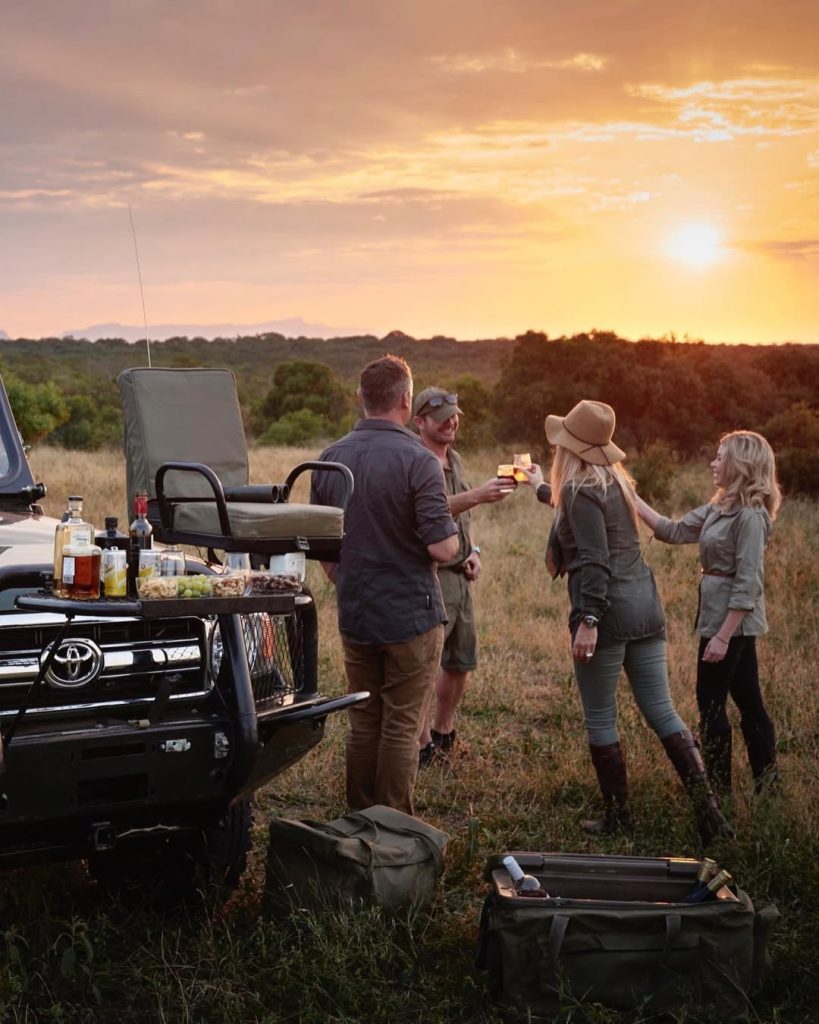
A grandfather who has spent forty years building something carries a form of authority that does not always translate across the generational gap of a family dinner table. In the bush, it finds its channel. We have watched grandfathers explain wild dog pack hierarchy to six-year-olds with a precision and passion that neither party knew existed before that morning in Ruaha.
We have watched grandmothers identify a martial eagle before the guide did, drawing on birdwatching knowledge that had never found an audience in the context of ordinary family life.
The child who is fastest to spot the camouflaged leopard earns a form of respect that has nothing to do with school grades or sporting achievement. The adult who admits they do not know what the guide is tracking, and leans forward to learn, demonstrates something to their children about curiosity that no conversation at home could replicate.
The Morning Nobody Said Anything
We think of this as the highest compliment a landscape can receive. It happens most reliably in the Ngorongoro Crater at first light, when the mist is still sitting in the bowl of the caldera and the light is doing something to the volcanic walls that no camera captures accurately. Or on the Serengeti plains during the green season, when the sky takes up three-quarters of the visual field and a storm is building at the horizon with the deliberateness of something that has been doing this for millions of years.
A family that can sit together in silence, each person looking at the same extraordinary thing and finding no words for it, has achieved something that most families never do. The bush creates that condition not by forcing stillness, but by filling the space so completely with its own presence that human commentary feels inadequate.
Some of the most important conversations in a family happen in complete silence.”
East Africa Safari Guides
How We Build a Family Safari That Earns These Moments
The architecture begins with guide selection — not simply an experienced wildlife guide, but one who reads children as well as they read tracks. It requires lodge selection that treats children as participants, not logistical complications.
The best family camps in Tanzania are built around the understanding that a family needs space to decompress together as much as they need to be in the vehicle.
A swimming pool overlooking a waterhole. A fire the children are allowed to help build. A dinner table that has no schedule attached to it.
It demands an itinerary that has deliberately built in nothing. Days with a morning drive and an afternoon that responds to what the morning produced.
The understanding that the most memorable safari moments are almost never the ones that were planned, and that a schedule packed to capacity crowds out the space in which the unexpected is allowed to happen.
Tanzania’s Specific Gift to Families
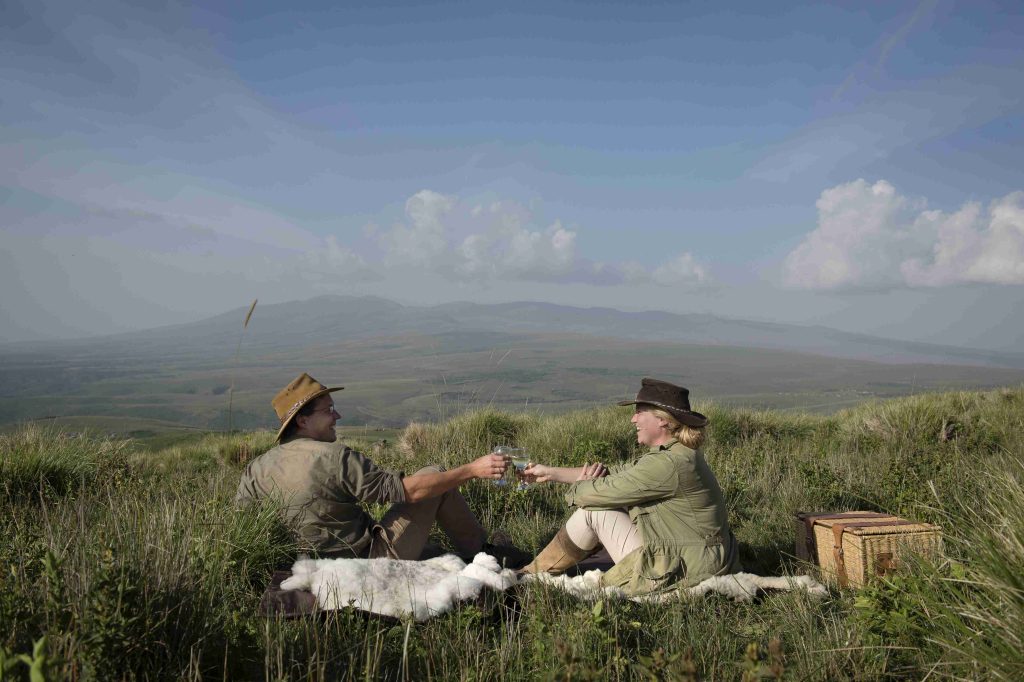
Tanzania’s Northern Circuit — Tarangire, Lake Manyara, Ngorongoro, the Serengeti — offers a family a compacted version of East Africa’s full ecological range within a single itinerary. A family that spends five days in the Serengeti has not seen five days of the same thing.
They have moved through five distinct chapters of a landscape that keeps producing something new. The addition of a Zanzibar extension provides the tonal contrast that completes a family safari’s emotional arc: the bush heightened attention and demanded presence; the ocean gives it back the ability to be easy, idle, and unhurried in a different key.
Malaria in TanzaniSafari
Malaria is an alarm in some areas of Tanzania, including popular safari destinations. Taking preventive measures to shelter your children from this mosquito-borne disease is essential. Here are some places you can take:
- Consult Your Pediatrician: Before embarking on a safari trip to Tanzania, check with your pediatrician to discuss appropriate antimalarial medications for your younger ones – including yourselves. They can guide the most suitable options based on your child’s age and health condition.
- Prophylactic Medication: Administering the recommended prophylactic medication as prescribed by your pediatrician is crucial. These medications help prevent the development of malaria parasites in case of mosquito bites.
- Insect Repellent: Use a reliable insect repellent containing DEET or picaridin on your children’s exposed skin. Apply it according to the product instructions and reapply as needed, especially during day game drives and night hours.
- Protective Clothing: Dress your children in long-sleeved shirts, long pants, and closed-toe shoes during safari activities. This reduces the exposed skin area and minimizes the risk of mosquito bites, which could cause skin inflammation.
- Mosquito Nets: Ensure the accommodation provides mosquito nets for your children’s sleeping areas. This provides an additional layer of protection while they rest.
Remember, taking these precautions significantly reduces the risk of malaria transmission during a Tanzania safari Adventure. Ask any questions you might have—our East Africa Safari Guides sales team regarding your children’s safety.
Safety While on a Tanzania Safari Tours
Besides malaria prevention, ensuring safety during your safari adventure is equally vital. Follow these safety tips for a worry-free experience:
- Choose Reputable Tour Operators: Select a reputable tour operator with a strong safety record. Look for companies prioritizing safety protocols, including well-maintained vehicles, experienced guides, and proper emergency procedures. We hire guides at East Africa Safari Guides, and our entire safari guide crew is Wilderness First Responder (WFR) certified.
- Child-friendly Camps: Prioritize accommodations that cater to families with children. These camps often have child-friendly facilities like swimming pools, playgrounds, and activities tailored for younger guests.
- Stay in Selected Areas: Always follow the instructions of your Tanzania safari guide. Avoid wandering off into restricted or dangerous areas, threatening your children’s safety.
- Wildlife Protocol: Teach your children about wildlife etiquette, such as maintaining a safe distance from animals, not feeding them, and never approaching or touching them. Respecting the wildlife ensures the safety of both your children and the animals themselves.
- Sun Protection: Safaris in Tanzania often involves spending extended periods outdoors. Protect your children’s delicate skin from the sun by applying sunscreen, wearing hats, and using sunglasses to avoid eye dust, as roads might be bumpy and dust
by following these safety measures, you can enjoy a worry-free Tanzania safari experience with your children.
Tanzania Safari with Children
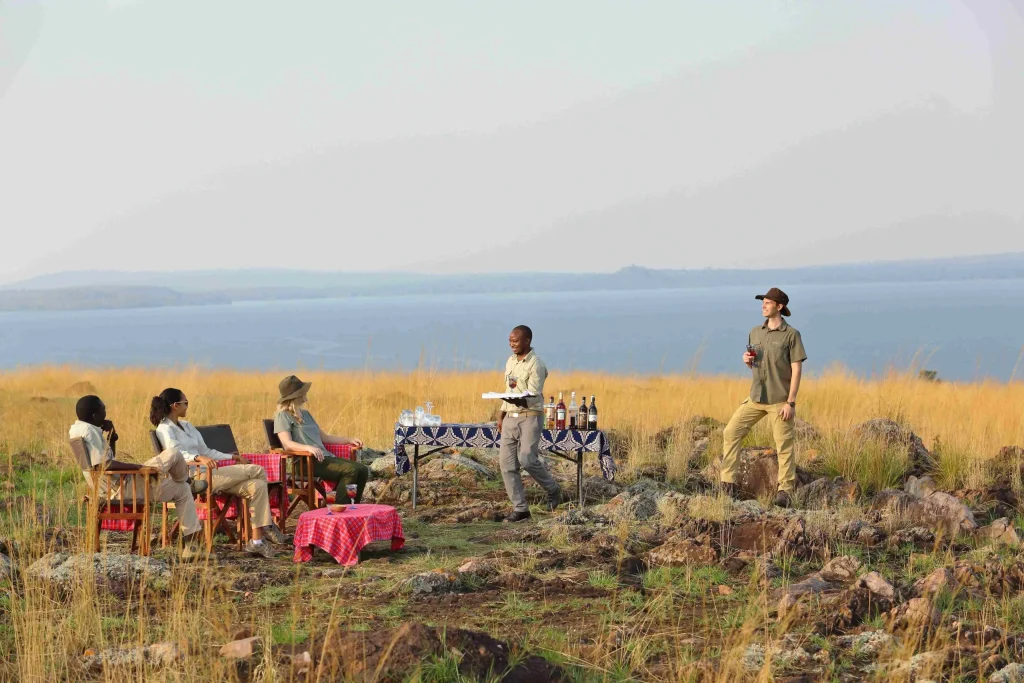
Taking children on a safari can be an incredible educational and bonding experience, especially when they get to experience the outside world. Here’s what you need to know to make the most of your Tanzania family trip:
- Age Considerations: While there is no specific age restriction for safaris, it’s critical to consider your child’s maturity level and ability to follow instructions. Safari rides can be long and require patience, so ensure your children are ready for the experience.
- Educational Opportunities: A safari offers unique opportunities for children to learn about wildlife, nature conservation, culture, and different ecosystems. Engage them in educational activities, such as identifying animal tracks, Birdwatching, and learning about local cultures.
- Family-friendly Activities: Look for safari itineraries that include family-friendly activities like guided nature walks, cultural visits, and interactive experiences with animals. These activities cater specifically to children and offer a memorable and educational experience. Browse our carefully sorted safari itineraries for the best African safari experience.
- Bring Snacks and Entertainment: Keep your children engaged during long safari rides with snacks, books, and games. This helps prevent dullness and ensures they have a pleasurable time.
- Flexibility: Remember to plan your safari itinerary flexibly, allowing for breaks and downtime. Children may need rest or shorter activities to prevent exhaustion.
As parents, you know your children best, so tailor the safari experience to their interests and abilities. A well-planned and child-friendly Tanzania safari can create lifelong memories for the whole family. We recommend booking a game package safari experience to have ample time with the children while on Safari.
Taking children on a safari in Tanzania can be safe and pleasing when the necessary precautions are taken. By addressing malaria prevention, ensuring overall safety, and considering age-appropriate activities, you can provide your children with an enriching and memorable experience. So, pack your bags, prepare your family, and embark on an exciting adventure in the heart of African wildlife. Let our Luxury Safari advisors help you curate the family-suitable safari package,
GET IN TOUCH WITH OUR EXPERT