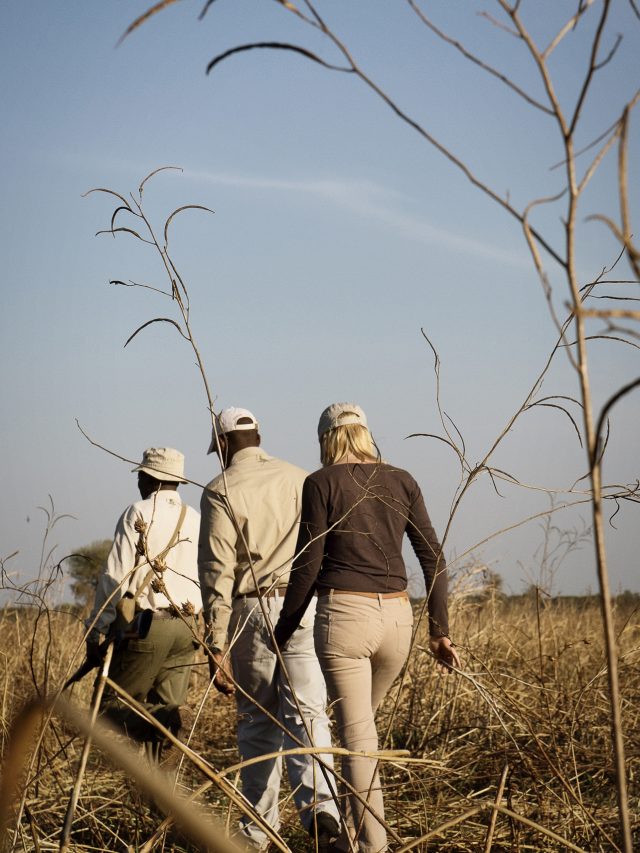
East Africa Safari Guides · Tanzania · 2026 & 2027
Not a Tour.
A Turning Point.
Six curated group departures. Two journeys for women who are ready. Three for anyone who is. All of them designed around a single conviction: the wilderness of Tanzania does not just show you something extraordinary — it shows you who you are when everything extraordinary around you is real.
All-Women · Nov 2026
All-Women · June 2027
All-Women · Nov 2027
General · Dec 2026
General · June 2027
General · Dec 2027
63%
reduction in cortisol markers reported after sustained wilderness immersion — American Journal of Public Health
4×
improvement in creative problem-solving capacity following 4+ days of nature immersion without digital devices — University of Utah
11
days. The minimum threshold at which neurological reset studies document lasting behavioural shifts — not temporary relief
The Science of Coming Back
Your Brain Already Knows Something You Haven't Said Out Loud Yet.
Research in environmental neuroscience, cultural psychology, and marine biology has converged on a finding that is both obvious and routinely ignored: the human nervous system was not built for the environment most of us inhabit. Chronic exposure to artificial light, digital input, high-density social noise, and predictable built environments suppresses the brain’s default mode network — the part responsible for self-reflection, meaning-making, and genuine rest.
What Tanzania does, at a neurological level, is interrupt this at the source. The unpredictability of genuine wilderness activates attentional pathways that urban environments cannot reach. Walking on uneven earth engages proprioceptive systems that desk life silences. The absence of digital stimulation allows the prefrontal cortex to finally begin the recovery cycle that insomnia and weekends never quite complete.
“Many of our travellers arrive believing they are simply tired. By day four in the field, they understand they were not tired — they were running a system that had not rebooted in years. The bush does not ask for your permission to fix that.”
The cultural encounters embedded across our itineraries — a Maasai boma in the Ngorongoro highlands, a morning with the Hadzabe at the shores of Lake Eyasi, the social intelligence of a chimpanzee community in the Mahale Mountains — activate the same empathy architecture that modern urban isolation systematically erodes. Oceanic environments compound the effect: the negative ion environment of coastal Tanzania and Zanzibar’s Indian Ocean contributes measurably to serotonin regulation.
You do not need to know any of this for it to work. In fact, many of the people who have arrived most transformed by our journeys came with no particular expectation of transformation at all. They simply came.
The Intelligence of Timing
Why We Selected These Exact Months
Every departure window in our 2026–2027 programme was selected with a specific ecological and experiential logic. These are not the months chosen because they were available. They are the months that deliver conditions most other operators either do not know to seek or cannot afford to wait for.
Early June
June
The long dry season is establishing itself. The Serengeti’s short-grass plains are transitioning from the green flush of the rains to the golden clarity of the drier months — and the Great Migration is at its most kinetic, with massive wildebeest columns already streaming toward the Mara River. Wildlife concentrates around permanent water sources in numbers that the peak-season circus of July and August will never match for intimacy, because the crowds have not yet arrived. This is the pre-peak window: all of the spectacle, none of the traffic.
All-Women: 20th June – 2nd July 2027
November
The short rains fall in October and end as November opens — leaving the landscape in a state of rare, fleeting beauty: green, lush, and photographically extraordinary. The summer tourist influx is long gone. Park roads that carry convoys of vehicles between July and September are now navigated by a fraction of that traffic. The wildlife is active, the predators well-fed from the calving season, and the lodges operating at a quality of attention impossible to deliver at full capacity. This is Tanzania as it was — visible, intimate, and unhurried.
All-Women: 10th – 22nd November 2026
All-Women: 10th – 22nd November 2027
Early December
December is the great overlooked window of the East African calendar. The short rains have ended. The short-grass plains are green and theatrical under dramatic skies. The holiday crowds — which fill Zanzibar and the Serengeti from Christmas Eve onward — have not yet arrived. Departing on the 5th means eleven days of the bush at its most photogenic and least congested, with the added intelligence of arriving home by the 15th: ten full days before Christmas, carrying a quality of presence that no amount of festive preparation could replicate.
General Group: 5th – 15th December 2026
All-Women Transformative Journeys
Six Women. One Wilderness.
No Agenda But Transformation.
All-Women Transformative Journeys
East Africa Safari Guides did not create the All-Women programme as a commercial product. We created it because we kept witnessing the same phenomenon: women arriving on group safaris surrounded by twenty strangers, being moved through itineraries at a pace that left no room for the thing they had actually come for — which was not the Big Five, but themselves. The decision to cap every All-Women departure at six participants is not a marketing play. It is an operating principle. Transformation does not happen in crowds. It happens in proximity — to the land, to like-minded women who are at a similar point of seeking, and to the version of yourself that has been waiting for the noise to stop long enough to be heard. Our guides do not push. Our itineraries do not rush. Our only measure of success is whether the women who leave with us return home fundamentally different from the women who arrived.
“While other operators fill buses, we fill hours with meaning.”
10th – 22nd November 2026 · 13 Days · 12 Nights
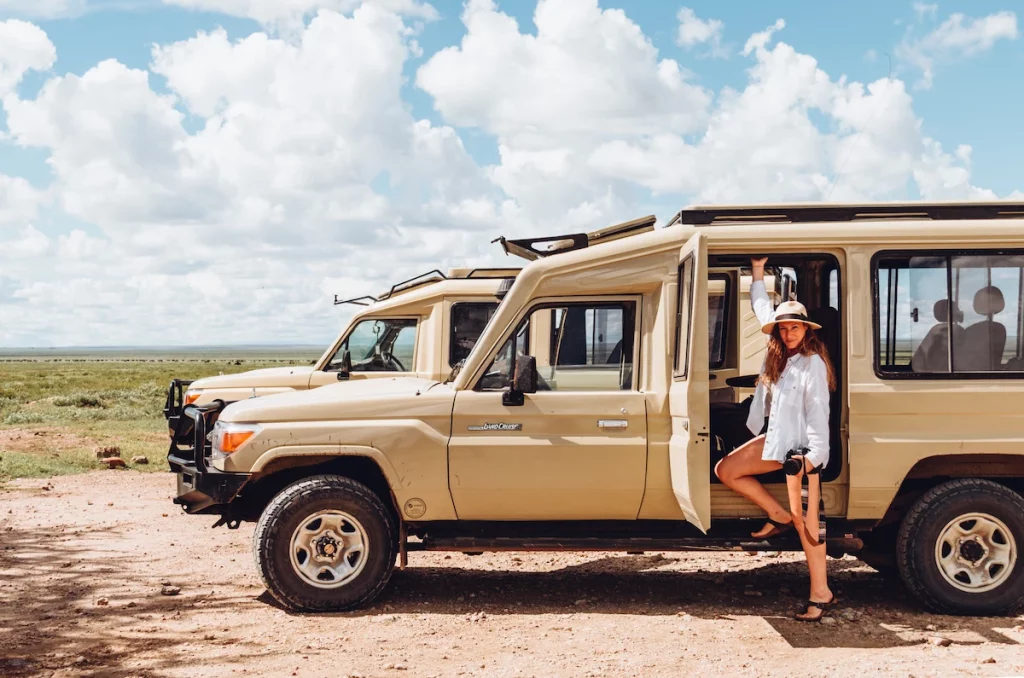
A 13-day passage through Tanzania’s most transformative landscapes — built for the woman who has been holding everything together for everyone else, and has quietly forgotten what it feels like to be held by something larger than her own resolve. From the coffee gardens of Arusha to the wild heart of Dunia Camp — operated by an all-female team — to the healing shores of Zanzibar.
10th – 22nd November 2026 · 13 Days · 12 Nights
A 13-day passage through Tanzania’s most transformative landscapes — built for the woman who has been holding everything together for everyone else, and has quietly forgotten what it feels like to be held by something larger than her own resolve. From the coffee gardens of Arusha to the wild heart of Dunia Camp — operated by an all-female team — to the healing shores of Zanzibar.
10th – 22nd November 2026 · 13 Days · 12 Nights
A 13-day passage through Tanzania’s most transformative landscapes — built for the woman who has been holding everything together for everyone else, and has quietly forgotten what it feels like to be held by something larger than her own resolve. From the coffee gardens of Arusha to the wild heart of Dunia Camp — operated by an all-female team — to the healing shores of Zanzibar.
A note on these departures: women do not join our journeys because they are broken. They join because they are intelligent enough to recognise that growth requires a different environment — and curious enough to find out what Africa has to say to them when the ordinary noise of life finally stops.
General Transformative Journeys
Open to Every Gender.
Committed to Every Transformation
Who joins our general group departures — and why it matters
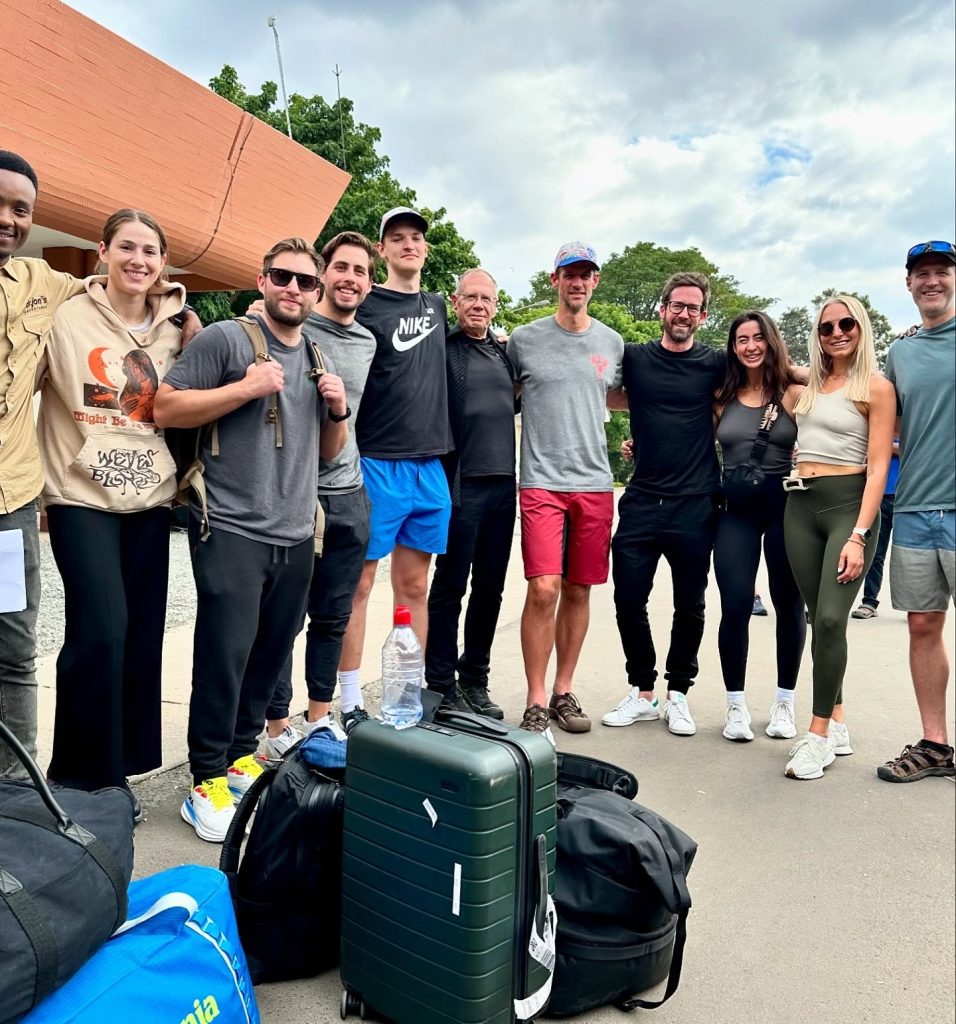
East Africa Safari Guides does not ask you to identify anything before joining a general group departure. We do not sort, screen, or apply any filter beyond a shared commitment to being present, being respectful, and being genuinely open to what eleven days of wild country asks of you. Our general groups accommodate every gender, every background, and every reason for coming — because nature has never been selective about who it heals. What makes these departures different from every group safari you will find with a search engine is not the lodges, the guides, or the itineraries — though all three are exceptional. It is the intention that built them. We built these groups with a deep, collaborative energy that carried a single question through every planning decision: what does this person actually need? The answer drove everything from the group size to the month selected, from the walking safari permits at Oliver’s Camp to the flight that closes the arc from above on Day 10. You can find itineraries that visit the same parks. You cannot find another group that was built the way these were.
All Genders · Small Group
An 11-day overland arc through three of Tanzania’s most iconic ecosystems — timed perfectly to arrive home ten days before Christmas with a quality of presence no amount of festive preparation could manufacture. Tarangire’s ancient baobabs, the Ngorongoro Crater at dawn, and the Eastern Serengeti: cheetah territory, previously closed to visitors for conservation and now accessible to a privileged few.
All Genders · Small Group
An 11-day overland arc through three of Tanzania’s most iconic ecosystems — timed perfectly to arrive home ten days before Christmas with a quality of presence no amount of festive preparation could manufacture. Tarangire’s ancient baobabs, the Ngorongoro Crater at dawn, and the Eastern Serengeti: cheetah territory, previously closed to visitors for conservation and now accessible to a privileged few.
All Genders · Small Group
An 11-day overland arc through three of Tanzania’s most iconic ecosystems — timed perfectly to arrive home ten days before Christmas with a quality of presence no amount of festive preparation could manufacture. Tarangire’s ancient baobabs, the Ngorongoro Crater at dawn, and the Eastern Serengeti: cheetah territory, previously closed to visitors for conservation and now accessible to a privileged few.
General Transformative Journeys
Our Guides Are Not
Drivers Who Know
The Parks.
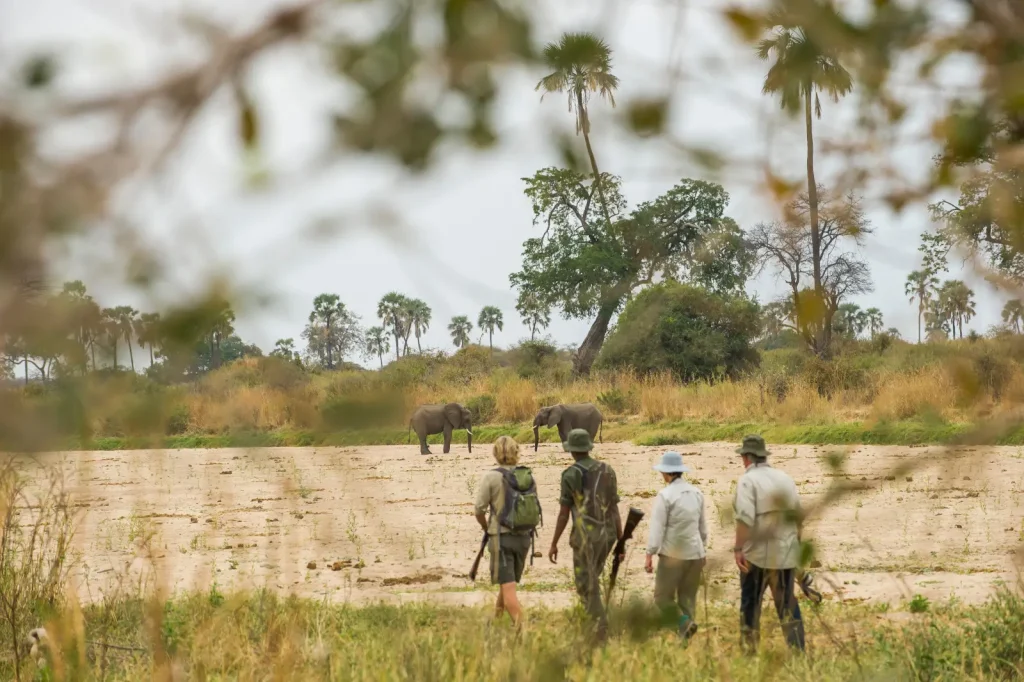
They are field naturalists, cultural interpreters, and — frankly — some of the finest human beings this landscape has produced. Our senior guides carry between fifteen and thirty years of active experience in the East African bush. They learned to read animal behaviour before they could read a map legend. They understand the difference between a lion that is relaxed and a lion that is deciding something. They know which bend of the Tarangire River holds the big tuskers in November, and which camp fire conversation to have after a day that moved a group in ways nobody expected.
Every one of our guides completes an annual accredited hospitality and code of conduct training programme — not because we require it as a box to tick, but because we believe that the quality of a guide’s human skills matters as much as their field knowledge. When you are eleven days in the wilderness with a small group, you need someone who can read the room as well as they read the tracks. Our guides can do both.
“A great guide does not tell you what you are seeing. They create the conditions in which you finally see it yourself.”

Field Experience
15–30 years active in East African ecosystems. Not seasons — decades.
Annual Training
Accredited hospitality and wilderness leadership training, renewed every year.
Full behavioural standards for all-women and mixed-gender group dynamics.
15–30 years active in East African ecosystems. Not seasons — decades.
Where You Will Sleep
The Question Everyone Has But Rarely Asks Out Loud.
“Will I be safe from lions?” It is the question people type into search engines at midnight when they are thinking about booking. The answer is yes — and the longer answer is this: the accommodation on every East Africa Safari Guides departure is not the small ground-pitched tent you are imagining. It never was.
Our partner lodges operate permanent, architect-designed canvas tents that bear no relationship to camping equipment. We are talking about structures of ten, twelve, sometimes twenty metres in length — raised on hardwood platforms, fitted with full en-suite bathrooms, running hot water, four-poster beds, private verandahs, and in many cases, a plunge pool or outdoor tub. The canvas walls allow you to hear the wild around you while remaining entirely enclosed, secure, and — this is important — warmer in the cool season and better ventilated in the heat than the concrete rooms of most three-star hotels you have stayed in.
The proximity to nature is not a risk. It is the point. There is evidence that sleeping in environments where you can hear nocturnal wildlife deepens the quality of REM sleep, lowers overnight cortisol levels, and produces a sense of grounded security that the controlled silence of urban hotel rooms consistently fails to deliver.
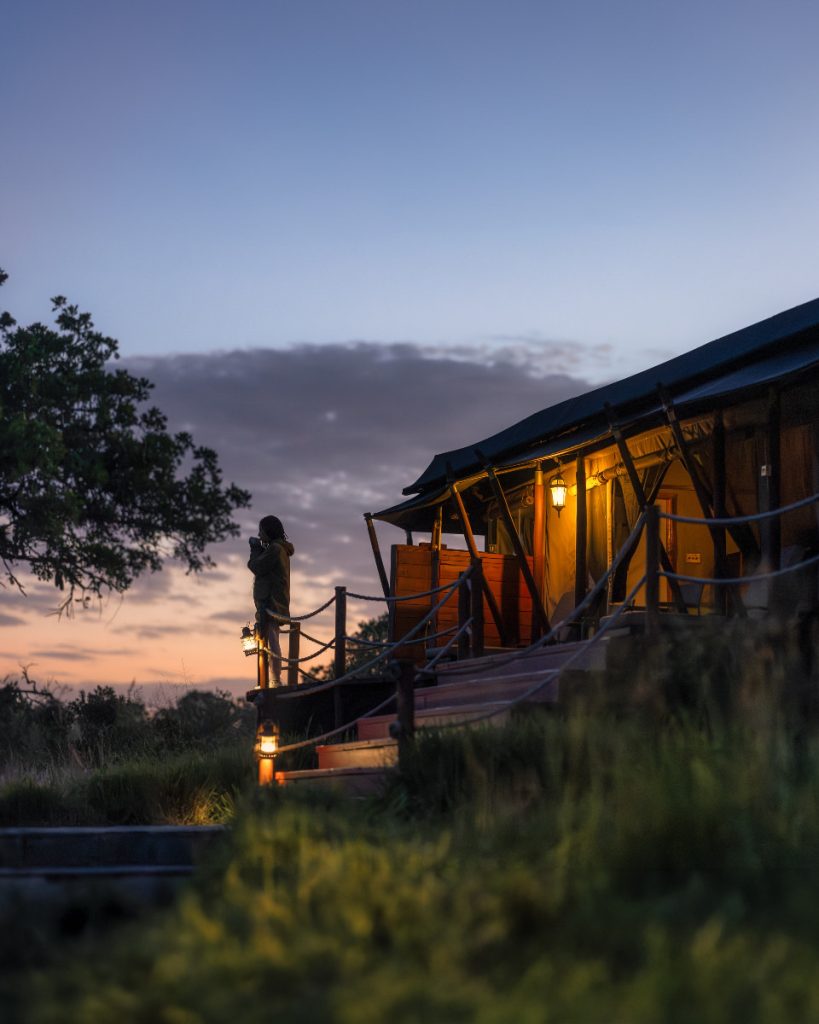
Tented Suites
Raised permanent structures. En-suite bathrooms. Private verandahs. More space than most city hotel rooms.
Handpicked for quality, exclusivity, and alignment with the spirit of each journey — not just availability.
For journeys that transition to the Indian Ocean — Baraza Resort & Spa, Fundu Lagoon, and Mnemba Island — each selected for its alignment with the healing arc of the itinerary rather than its star rating.
All partner lodges operate trained security perimeters with electrified fencing or natural barriers. Wildlife encounters within the camp boundary are managed by experienced rangers — not prevented, because proximity is the point, but controlled at all times.
Every departure includes full domestic emergency evacuation coverage through AMREF Flying Doctors — East Africa's most established aerial medical service, operational for over six decades. Not an insurance product. An operational safety net.
All senior guides carry comprehensive first aid certification and wilderness emergency equipment. Medical evacuation coordination is handled directly by our operations team — you are never alone in managing an emergency.
General Transformative Journeys
Other Tours Exist. This Experience Does Not Exist Anywhere Else.
We know you have already looked at other group safari options. Some of them use the same lodges. Some of them visit the same parks. You may find itineraries online that look, at a distance, similar to ours. Here is what that similarity will not tell you.
The intention is different from the first planning meeting
These departures were not assembled from a supplier database and priced to margin. Every decision — the month, the lodge, the walking safari permit at Oliver’s Camp, the overland stop at Olduvai Gorge, the pre-departure group channel — was made with a specific question: what does this person actually need? That question changes everything it touches.
03
The guide relationship is not transferable
The energy we brought to building these journeys is the energy you will feel on them
“There are other group tours online. They might use the same hotels, the same national parks, and the same flight paths. What they will never replicate is the depth of what you experience when you travel with a team that built the journey around transformation — not transport.”
— East Africa Safari Guides · Expedition Philosophy
Inclusions & Exclusions
Every Itinerary Tells You Exactly What Is Yours.
Each departure has its own full inclusions and exclusions list — detailed inside the individual itinerary pages. We encourage you to read them in full, because the specifics of what is covered matter, and we have designed each to leave as few questions as possible. Below is a summary of what every departure includes as standard. The rest — the differences between itineraries, the optional additions, the logistical nuances — is in each page, written plainly.
Every night from Day 1 check-in through final night. Same-gender twin rooms on general departures. Luxury tented suites and coastal properties throughout.
From Day 1 dinner to departure day breakfast. Farm-sourced, freshly prepared. Every dietary requirement communicated to each kitchen in advance.
Private or small-group 4x4 safari vehicles across every park and concession on the circuit. Walking safaris where itineraries include them.
All domestic light aircraft transfers specified in the itinerary — bush flights, scenic returns, coastal connections. No hidden aviation costs.
Scheduled therapeutic sessions at key properties across each journey. Recovery built into the route, not added to a bill at the end.
All national park entry levies, conservation area fees, and concession charges. Fully settled before you arrive at any gate.
Domestic emergency medical evacuation through AMREF Flying Doctors. Active for every participant, every day of the journey.
Your East Africa Safari Guides representative from KIA arrival to departure. All logistics, transitions, and questions managed end to end.
Tanzania Entry
The Visa Is the Easiest Part of This Decision.
Tanzania operates one of the most accessible visa frameworks in East Africa — and the process has become considerably more straightforward in recent years. For the majority of nationalities, a tourist visa is obtainable online in advance through the Tanzania e-Visa portal, or on arrival at Kilimanjaro International Airport (JRO) and Julius Nyerere International Airport (DAR).
The documents you will need are standard: a valid passport with a minimum of six months remaining from your date of departure, a confirmed return flight booking, a travel itinerary, proof of accommodation, and a basic evidence of sufficient funds for the duration of your stay. Your East Africa Safari Guides travel specialist will provide a formal travel itinerary document as part of your booking confirmation — this satisfies the itinerary requirement and is accepted by all Tanzania immigration points.
For nationalities eligible for Visa on Arrival, the process at KIA is typically completed in under twenty minutes. This flexibility means that even a last-minute decision to join a departure — driven by the right alignment of timing and personal readiness — is operationally feasible. We have had travellers confirm a place within a week of departure and arrive without incident.
If you are uncertain about your nationality’s eligibility for Visa on Arrival, or if you would prefer to process the e-Visa in advance for peace of mind, our ground team can confirm the current entry requirements for your passport in real time. Do not let the visa question be the reason you wait. It has never been a barrier — only a step.
What you will need
- Valid passport — minimum 6 months beyond your return date
- Confirmed return international flight booking
- Proof of accommodation (covered by your lodge confirmations)
- Basic evidence of travel funds
- Yellow fever vaccination certificate if travelling from an endemic country
Visa on Arrival is available at KIA for most Western, European, North American, and many other nationalities. The fee is typically USD 50–100, payable in USD cash. Confirm your nationality’s eligibility with our team before departure — the confirmation takes minutes.
Confirm Your Visa Eligibility
The Seat That Stays Empty Is Not Neutral. It Is a Choice.
Every departure in this programme has a fixed number of places. When they are taken, the group closes. There is no waitlist, no overflow, and no second chance at the same departure. The people who join in 2026 and 2027 are not the ones who were more ready. They are the ones who decided that waiting for readiness was the wrong strategy — and that eleven days of genuine wilderness was a more reliable path to clarity than another year of hoping things would settle on their own.
Select your journey below. Write to us. Ask every question you have. The team is on the ground in Tanzania and will answer with the specificity and honesty that this kind of decision deserves.
Six seats. Three departures. One commitment: yours.
- 10th – 22nd November 2026 · USD 15,000
- 20th June – 2nd July 2027 · TBC
- 10th – 22nd November 2027 · USD 15,000
Write to Our Ground Team
General Group Departures
All genders. All backgrounds. One direction: forward.
- 5th – 15th December 2026 · USD 8,500
- 5th – 16th June 2027 · USD 9,500
- 5th – 15th December 2027 · USD 8,500
Write to Our Ground Team